
Brand manipulation: how brands manipulate you to buy more stuff
 Redwan OuthounaMay 4, 20243 min read
We like to think we're in full control of our purchasing decisions, but the reality is far more complex. Brands use sophisticated tactics and subtle psychological manipulation to influence what we do and pull more money out of our wallets. In this article I want to highlight some of these strategies and expose the quiet ways they shape our behavior.
1. Fear of Missing Out (FOMO)
Have you ever felt that pang of disappointment when a friend shows off something rare or exclusive that you didn't get? Or that urgent desire to buy something before it's gone for good? That's the Fear of Missing Out, and it's a powerful emotion that pushes consumers into impulsive purchases just to avoid feeling left out. Brands manufacture this urgency with limited-time sales, exclusive deals, and artificial scarcity. The message is simple: act now, or miss out forever, and that fear is often enough to make you buy.
2. Targeting insecurities
We all have insecurities, and brands are experts at finding and exploiting them. Ads for beauty products prey on anxieties about aging or body image; toothpaste brands tie their products to self-confidence and a bright white smile. Nobody wants to feel awkward or judged. By quietly amplifying these insecurities, brands convince us that their product is the thing standing between us and the version of ourselves we're afraid of.

3. Linking the brand with positive emotions
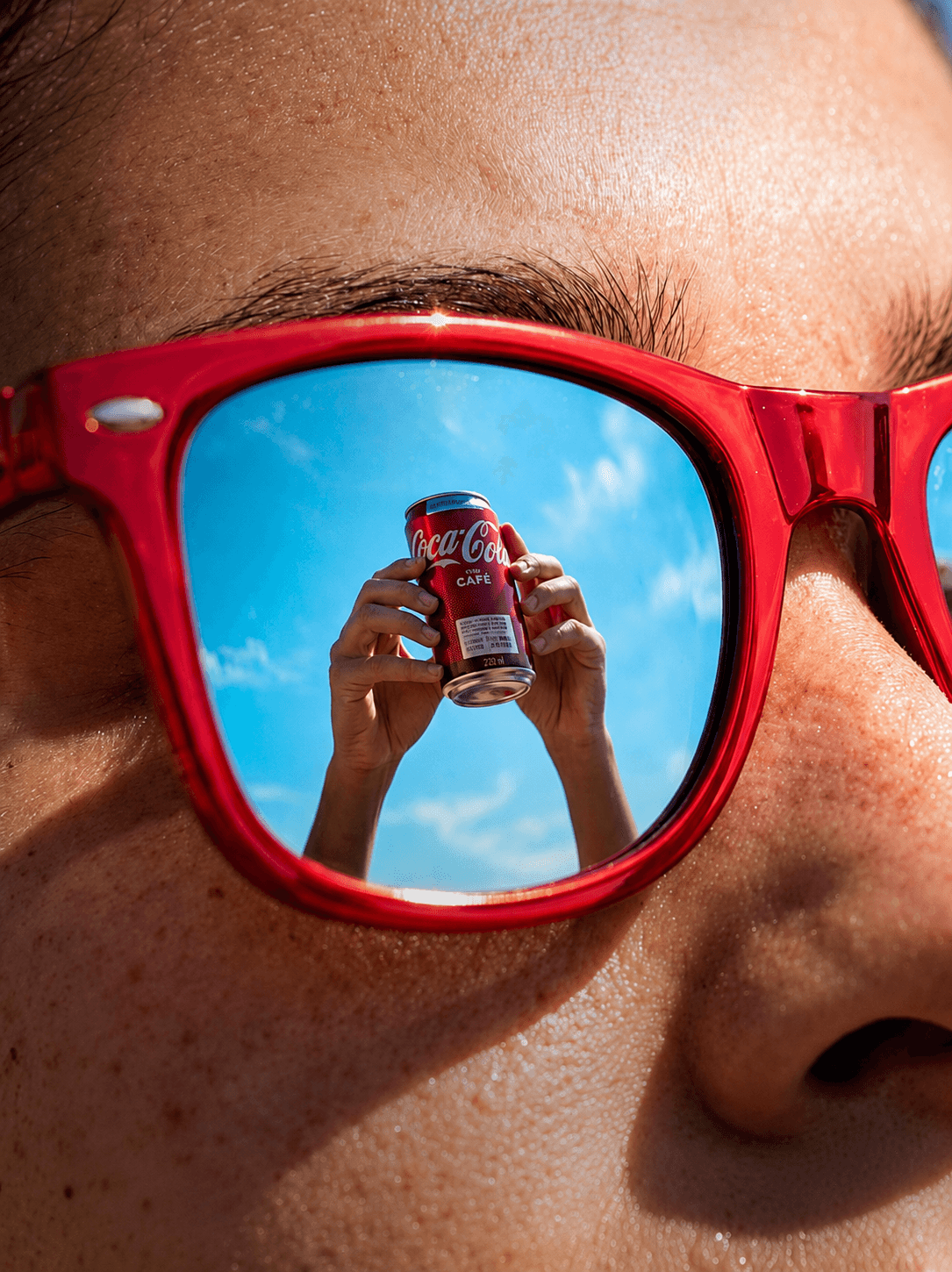
Brands work hard to associate themselves with positive emotions like happiness, optimism, and joy. Coca-Cola's iconic "Share a Coke" campaign and Colgate's "Free Your Smile" are prime examples of tying a product to feelings of joy, connection, and shared experience. Through these emotional links, brands become more than products, they turn into symbols of our aspirations and desires.
4. Design and visual signaling
From logos and colors to packaging and website design, every visual element of a brand is crafted to trigger specific emotions and associations. Luxury brands use sleek, minimalist design to signal exclusivity, while fast-food brands lean on bright colors to project warmth, energy, and happiness. These cues bypass our conscious thinking and speak directly to our desires. Brands even tweak product design purely to look more impressive, notice how large some phone camera modules are. The size often has little to do with performance, and some additions are essentially fake, but they make the product feel more powerful than it really is.
5. Social proof
Social proof is the influence that other people's behavior has on our own. Humans are social creatures, deeply shaped by the actions and opinions of those around us. Brands tap into this with customer testimonials, influencer endorsements, and "most popular" labels. Seeing others enjoy a product creates a sense of validation and trust, making us far more likely to follow the crowd and buy it too.
Marketing is no longer just about making you buy things you don't need, it's about making you part of a community a brand has built.
Once you understand these tactics, you can become a more conscious consumer. You can question the motivation behind a marketing message and make decisions based on your real needs and values, instead of giving in to the quiet pressure of brand manipulation.